Materials being sorted for reuse in a circular system
About Hemploop

Finding a good product should not require a research project.

Buying sustainably is harder than it should be — not because the products do not exist, but because the claims are murky and the suppliers are hard to find. Hemploop exists to close that gap, starting with the most carbon-negative building material available today.

The mission

Make carbon-negative and circular the easy choice

There are two barriers to a low-carbon purchase. The first is availability — the product exists but you cannot find it, or cannot find anyone qualified to install it. The second is trust: too many vague claims have made buyers rightly cynical, so genuinely strong products get dismissed alongside the weak ones.

Hemploop is built to solve both. We aggregate the supply side into a described, filterable directory, we publish plain-English material explaining what the claims actually mean, and we route real projects to real builders. Where a claim cannot be substantiated, we say so — including about our own ratings.

Why we start with hempcrete

Of the materials that genuinely remove carbon from the atmosphere, hemp-lime is the one that already has a real, if small, industry behind it: growers, processors, suppliers, trained crews and buildings that have been standing for decades. It is the clearest example of a carbon-negative option that is buildable today, and it is where a homeowner is most likely to need help finding the right people.

If we cannot explain the carbon maths and the cost premium clearly, we have not done the job.
Editorial policy

How we decide what makes the cut

A directory is only as good as its exclusions. These are the standards we apply to every listing, paid or free.

What qualifies

  • A verifiable carbon story: sequestered carbon, low embodied carbon, or a documented reduction against a conventional alternative.
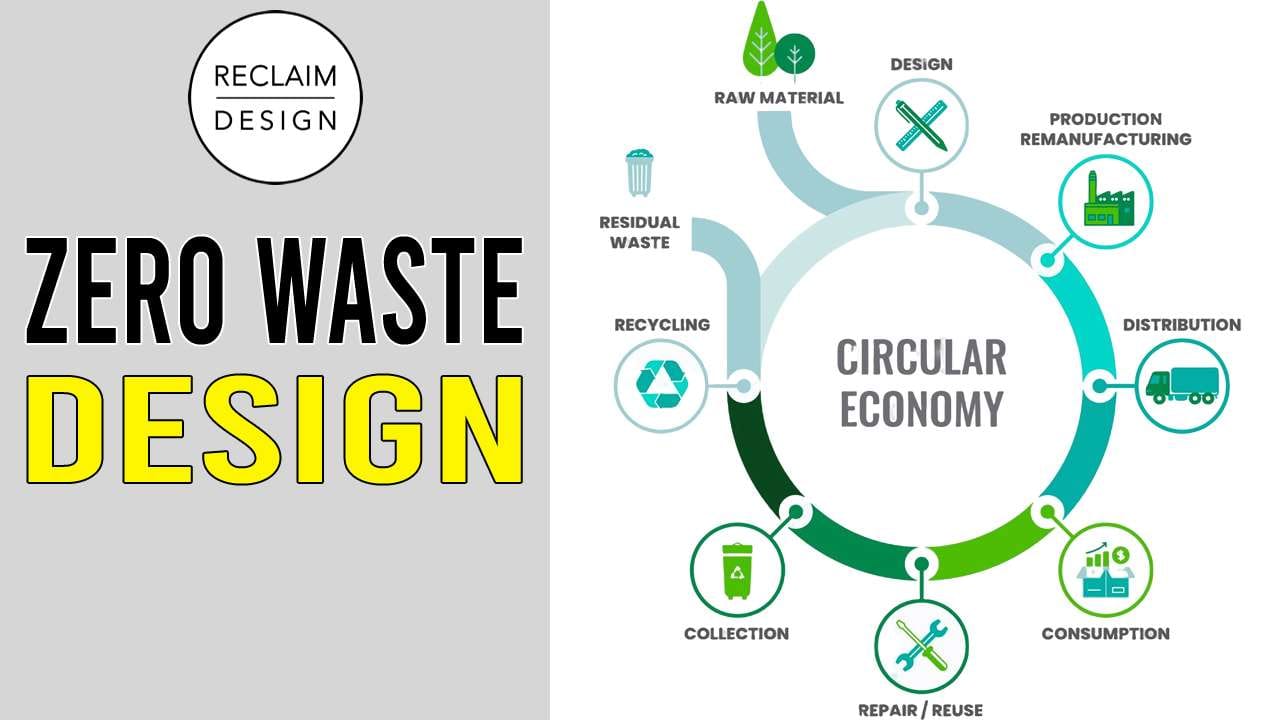
  • A circular mechanism: refill, repair, reuse, salvage, take-back, high durability or genuine compostability.
  • Willingness to answer the nine buyer questions in our greenwash checklist.

What gets declined

  • Conventional products with a green label and no material change.
  • Offset-based neutrality claims presented as a product property.
  • Recycled-content claims on products that cannot be recycled again.
  • Single-use products described as circular on the basis of recyclability alone.
Editorial and commercial separation standards
Activity Do paying partners get an advantage?
Position in the directory Yes — labelled, and sorted above free listings.
Guides, comparisons and "best of" content No. Ranked on merit. A partner can rank last.
The "verified" mark No. Awarded only against documentation, and it can be failed.
Carbon-negative and circularity ratings No. Applied consistently to every listing using the same method.
Lead routing priority Partly — featured partners get first look, but only where they can actually serve the project.
Contact

Get in touch

Whether you want to list a business, bring a hempcrete project, correct something we got wrong, or just tell us the carbon maths is off — this is the place.

Partners & advertising

Listings, sponsorship, guide commissions and lead referrals.

Project owners

Use the matching form — it is quicker than email for us to route.

Corrections & general

Spotted a bad claim, a wrong number, or just want to say hello?

Where we are

California, United States
We are a small operation, so email is checked in batches.

We use a single address for everything — hello@cahemploop.com — so nothing gets lost between inboxes. Replies come from a real person, usually within two business days.

Privacy note

We collect only what a form asks for, and we use it only for the purpose the form describes. Specifically:

  • Project enquiries are shared only with the two or three matched partners you agree to be introduced to.
  • Newsletter addresses are used only to send the newsletter, with one-click unsubscribe.
  • Partner enquiries are held in our own records and never sold or shared with other advertisers.
  • No sale of personal data, ever, to anyone.

How we measure traffic

This site counts its own visits, so we can tell which guides are useful and give advertisers real numbers instead of guesses. The counting is deliberately minimal:

  • No cookies. We set none at all.
  • No persistent identifier. The only session marker we hold lives in your browser tab and disappears when you close it. It cannot follow you across days or across other websites.
  • No IP addresses, no fingerprinting, and no third-party analytics company. The counter is part of this site and writes to this site's own database.
  • Do Not Track is honoured. If your browser sends that signal, we record nothing about your visit.
  • What we do record: the page path, the referring site's domain, whether the screen was phone/tablet/desktop, and how long the page was open. Never a name, email or address.

How the site is built

Hemploop is a static website with a small data layer. Forms on this site write to the site's own database — you can see the tables listed in the project README. Sponsored placements are served from a sponsors table and log a simple impression event so partners get real reporting rather than an estimate.

Because a static site cannot keep secrets in its source, nothing sensitive should ever be entered into a form on this demonstration project.

Come along for the build

Monthly: what we published, what we learned, and what we got wrong.